Insights
Insights
I write field notes from lectures and evaluation sessions, thoughts on startups, team building and investment, shifts in policy and the market, and practical tips you can use right away.
21Posts
4Categories
200+Archive
I write field notes from lectures and evaluation sessions, thoughts on startups, team building and investment, shifts in policy and the market, and practical tips you can use right away.
Choosing the tool takes a day. Making it still be used after 90 days is the whole job. Here is the sequence, week by week.
Equity should be designed around the moment it breaks, not the moment it is split. Here is where it actually goes wrong, and the documents that stop it.
“I have things to wrap up at my current company” almost always hides a different reason. Here are the 12 cards we actually use in the team-building workshop.
Changing the tool and changing how people work are different things. Here are the points I keep seeing in organisations where it fails to stick.
Knowing where not to use it comes before choosing where to use it.
Convincing executives and investors — and getting the next budget — is decided by numbers.
Across the applications I saw while running the 2025 Gyeonggi Generative-AI Public-Data Startup Competition, points were lost in almost exactly the same places.
Models change in six months. What the investment committee wants is what survives the change.
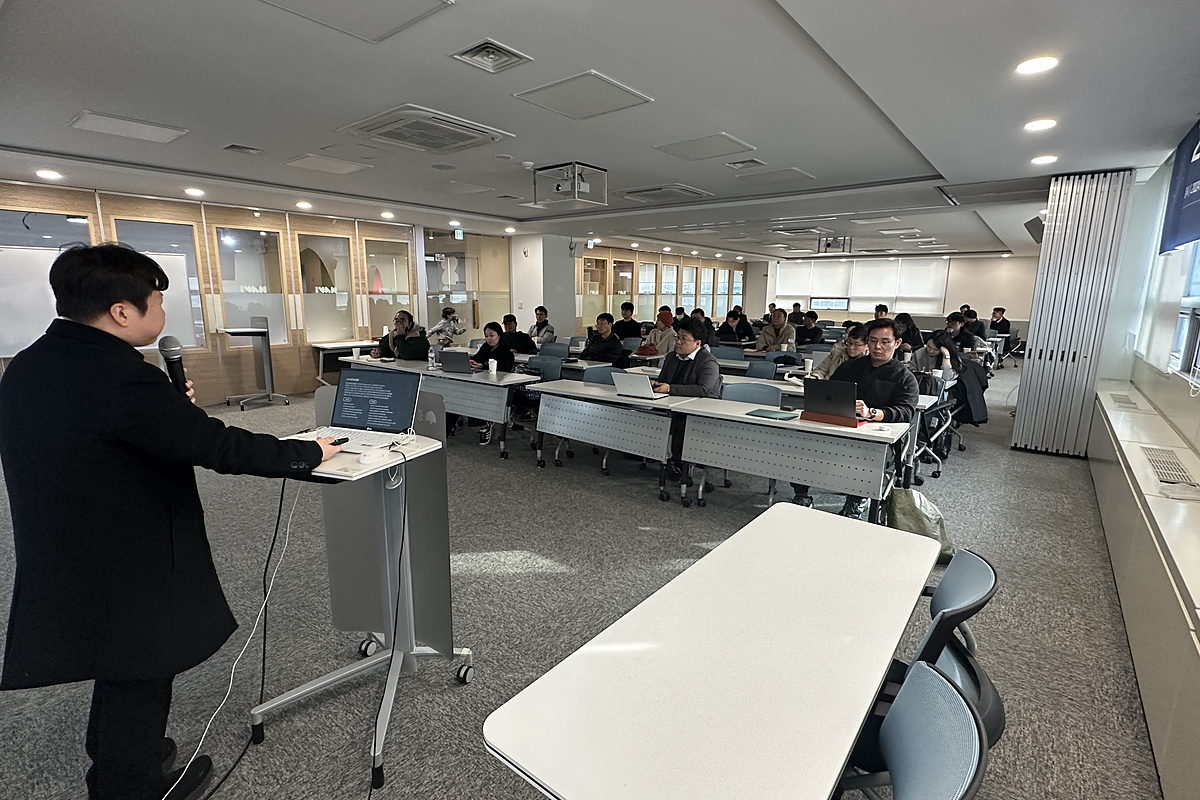
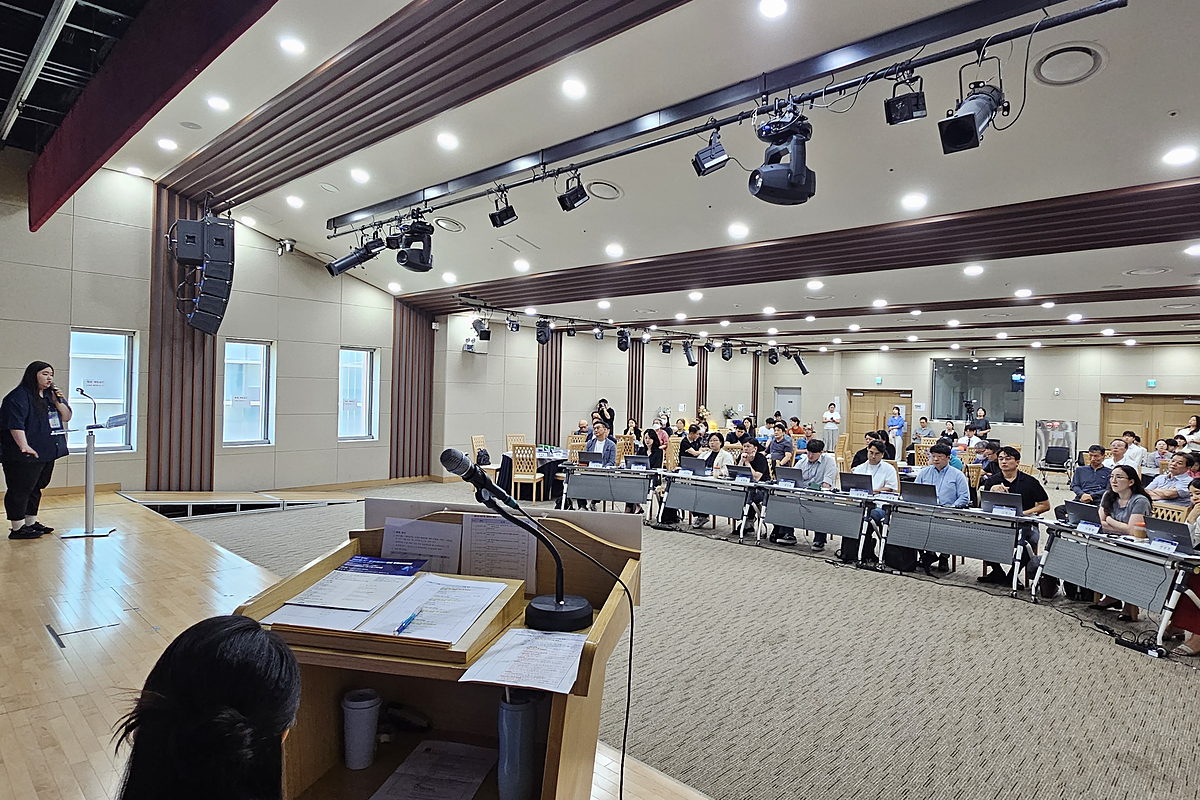
I ran a hands-on fundraising workshop for staff at Mongolian startup support organizations. It was designed as 90 minutes of lecture and 75 minutes of participants writing for themselves.
In front of startup support staff from Mongolia, I laid out the six self-sustaining operating models I built while running three startup spaces myself. A record of one day, delivered through consecutive interpretation.
Most startup failures begin with the team, not the idea. Patterns seen again and again across 8,000 matches.
Organizational culture is not about putting good sentences on the wall; it is an agreement about how decisions get made.
Labor issues at early-stage startups come from not knowing, not from bad intent. Here are the items that trip companies up in investment due diligence.

The deductions that come up again and again from evaluation panels under four Korean ministries, and the places where the scoring sheet actually separates applicants. A checklist to read before you write.
Good people don't join your team because the vision is weak. Team building starts by laying out the 12 obstacles they never tell you about.

This is the order that worked at a stage with a small budget, while growing to 40,000 members and running advertising for some 300 businesses.
Compiled from both sides: having raised money directly from a Korea Fund of Funds-backed fund, and having sat on the review side.
Fundraising means taking money and entering a contractual relationship at the same time. I have compiled the clauses that cause trouble later.
These are the clauses that protect the company if you write them at the co-founding stage. Once a dispute starts, they are no longer available to you.
I take the rejection reasons I saw again and again from the evaluator’s seat as the attack list, and pair the 12-page IR deck against them as the defense. Open your deck and check it as you go.
The items that actually lose points from the evaluation seat across four ministries, disclosed as they are. Take 15 minutes before you write your business plan.
찾는 글이 없습니다. 다른 말로 찾아보시거나 위 분류를 눌러 보세요.
메일 주소는 받아 두지 않습니다. 아래 두 가지면 충분합니다. RSS 는 피드 앱에, 카카오톡 채널은 휴대폰으로 바로 옵니다.
Pick a type and only the relevant questions open. I normally reply within one day.
We answer right away based on the public information on this site.
For a more detailed consultation, we'll connect you through KakaoTalk 1:1 inquiry.